
Over the past four years, the MIDAS project evaluated 13 farm-scale case studies across nine countries to demonstrate how innovative intercropping and agroforestry systems can be deployed in marginal land, to build sustainable bio-based value chains. The table below summarizes the list of established case-studies in the different countries. All sites are located in agricultural areas affected by different marginality constraints.
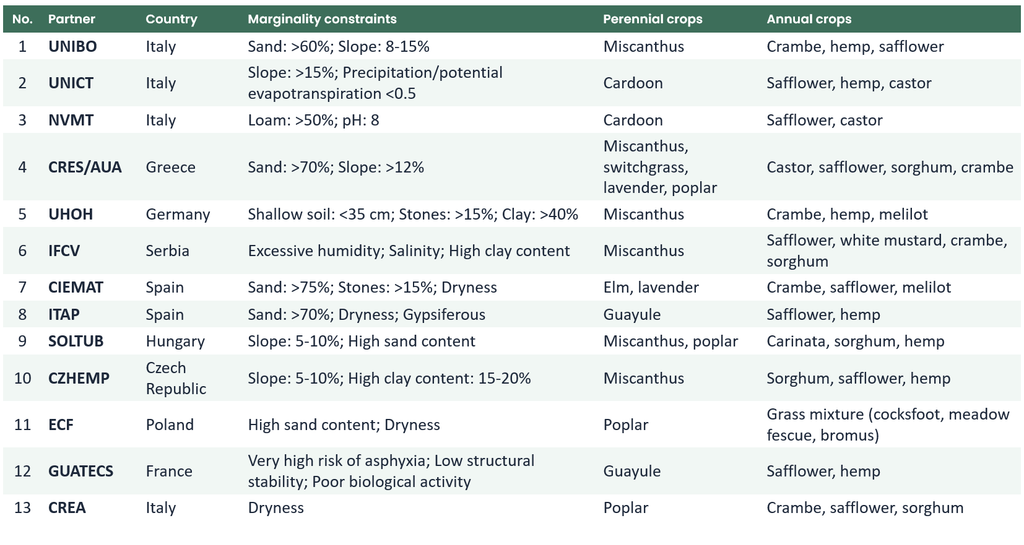
The demo sites were designed to reflect real farm conditions providing reliable outcomes to assess the agronomic impacts and the feasibility of two types of innovative cropping systems:
- Intecropping of annual and perennial herbacous crops: Integrating annual industrial crops (safflower, crambe, hemp, castor, and sorghum) with perennial herbaceous crops (miscanthus, switchgrass, cardoon, and lavender).
- Agroforestry and annual crops: Combining woody species (poplar, Siberian elm, paulownia, and guayule) with annual oilseeds or perennial grass mixtures.
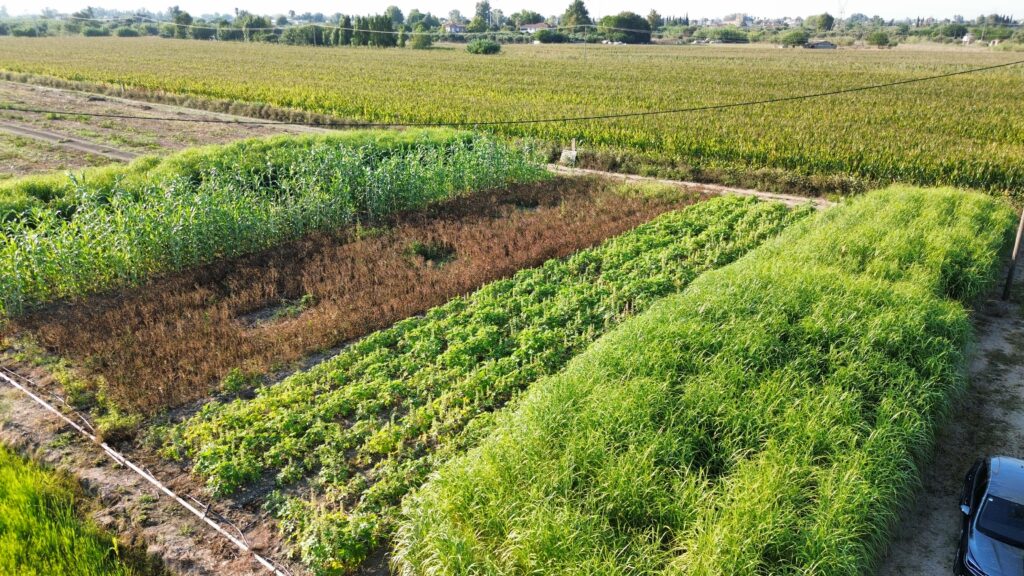

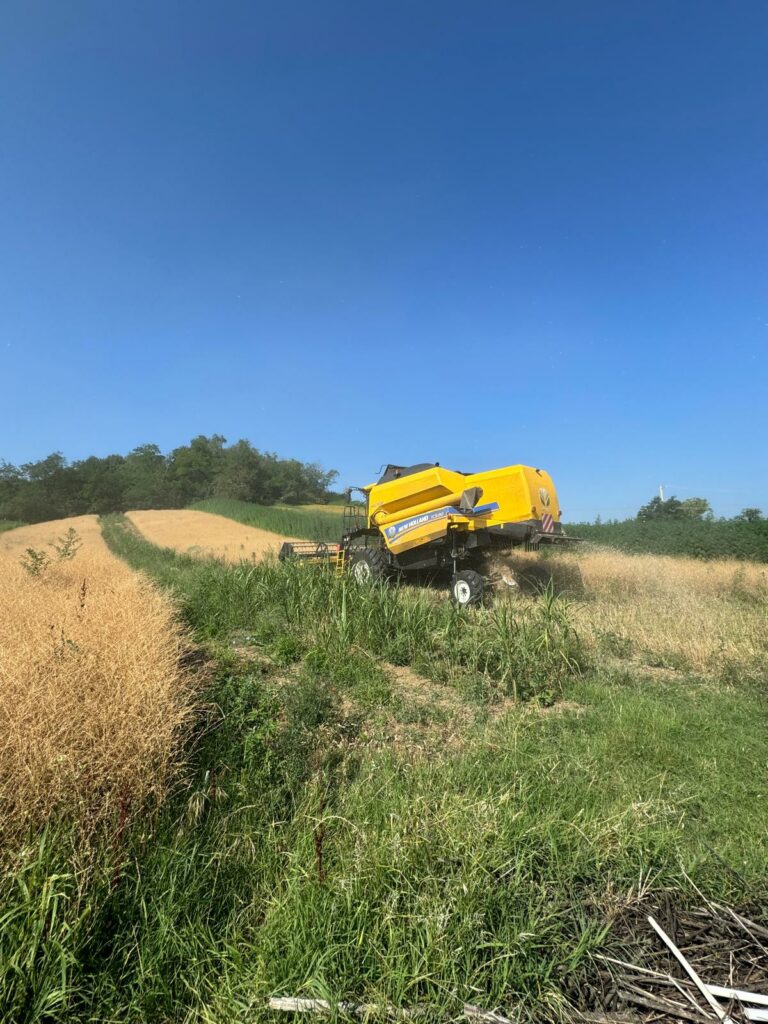
As we approach the end of the final growing season, our partners are finalizing harvests and field data collection. While the final results of this four-year observation will be published by the end of the project this October, the first comprehensive dataset on crop performance, adaptability, and field logistics is already available in Deliverable D3.1: Results from the case-studies of the cropping systems.
Preliminary insights
While operating under marginal conditions presents clear operational challenges, these early findings offer an insightful snapshot of crop adaptability.
- Crop adaptability: So far, safflower, sorghum, hemp, and melilot have proven particularly resilient to environmental stress. Safflower, sorghum, and hemp demonstrated the highest yield potential among annual crops. Hay (grass mixtures) and melilot have also shown good biomass potential.
- Performance variability: While intercropping optimizes resource use, performance varies significantly by site. Some crops faced specific hurdles: crambe suffered under extreme drought, carinata struggled with pest pressure (notably the cabbage beetle), and showed lower productivity.
- Perennial establishment: Perennial crops require at least three years to establish; consequently, comprehensive data is still maturing. While miscanthus and switchgrass have faced challenges due to weed competition and marginal soil conditions, poplar and guayule have demonstrated stronger adaptability. Lavender also showed good biomass production but required careful management in drier locations.

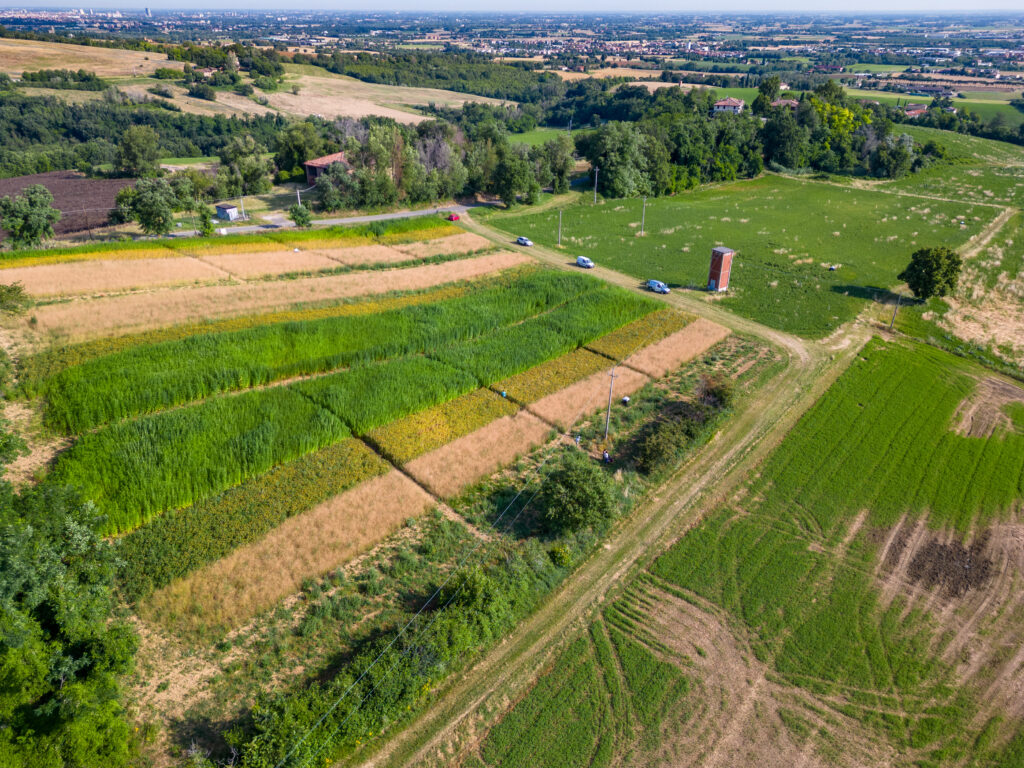
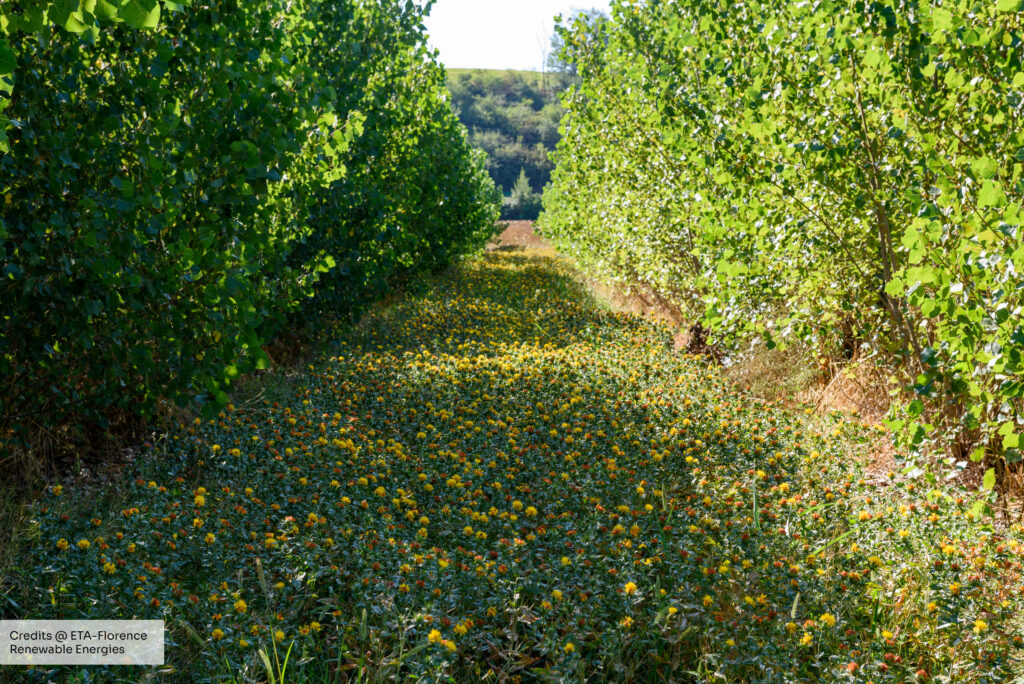
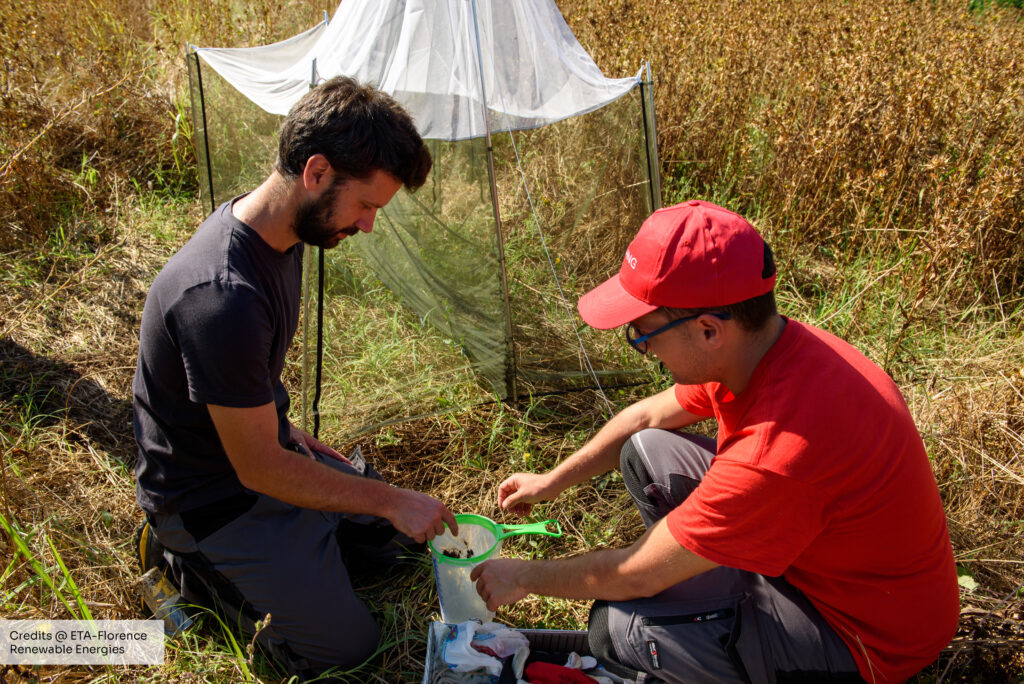
Overall, these initial case study observations show promising potential for optimizing resource use on marginal lands, though crop performance has varied significantly from place to place.
Read the full report for a full description of each case study and results